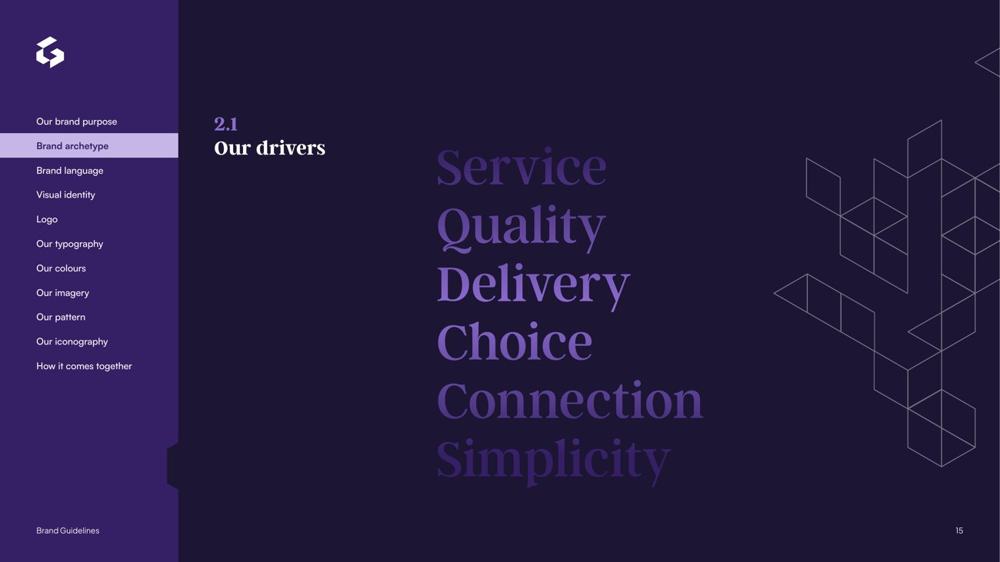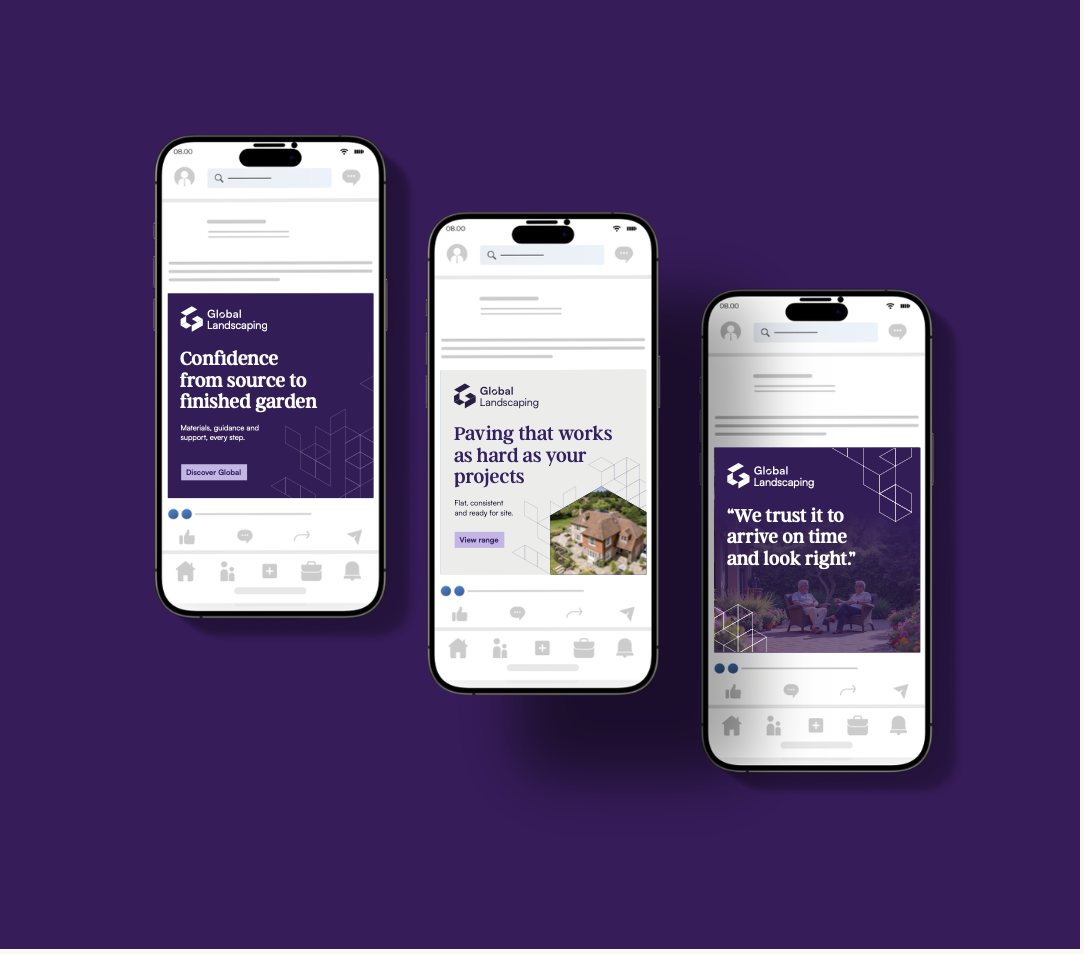
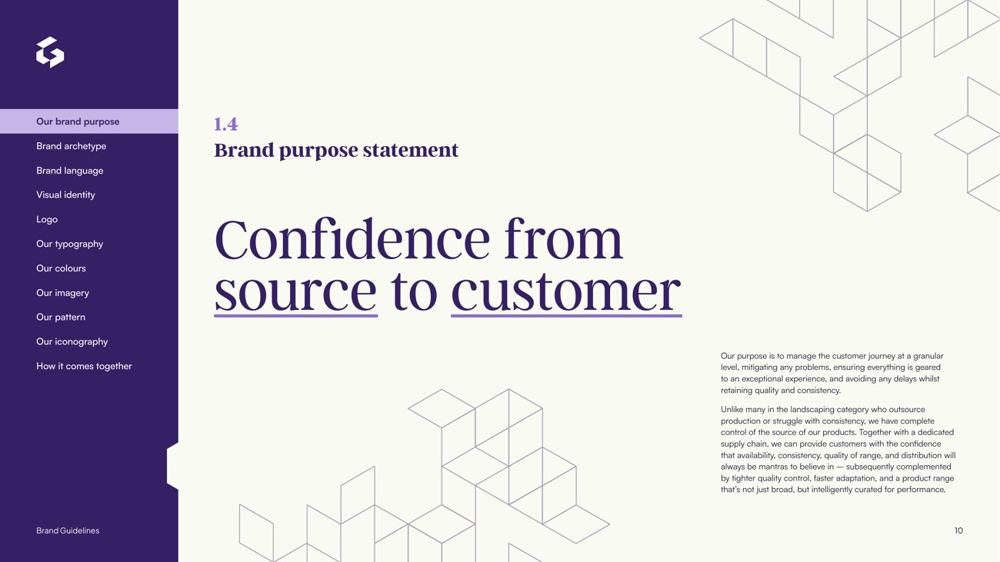
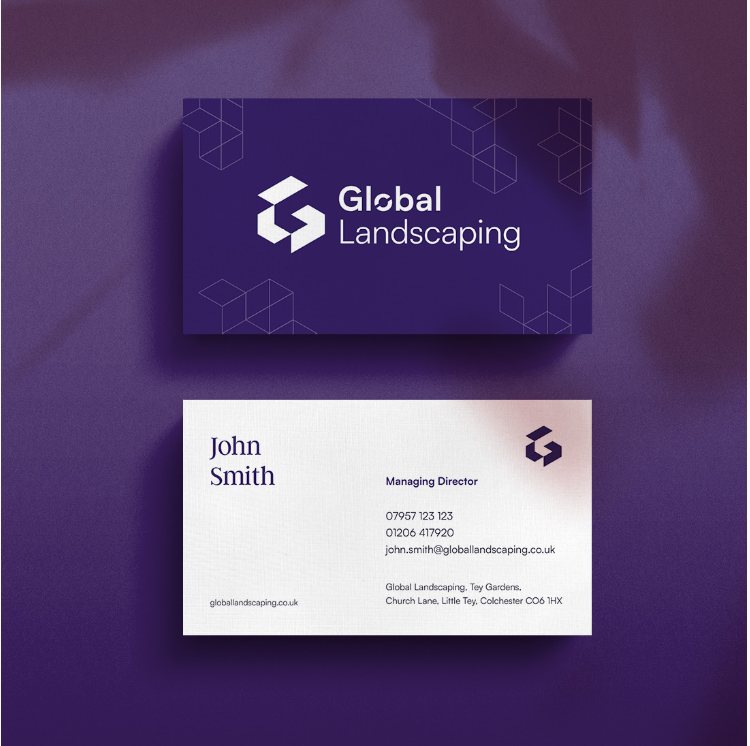
Global Stone and Digby Stone: two brands, after a merger, sharing one operation and many of the same products.
Impact
The business
Global Stone Group supplies natural stone and landscaping products to merchants and independent retailers across the UK, and has grown through acquisition, including Digby Stone and World of Stones.
I led the brand architecture work: the research, the four options, the recommendation and the framework the group now uses for acquisitions, which led to the Global Landscaping brand.
The challenge
After the merger, the group was running two brands with overlapping ranges. Keeping both was expensive and confusing for customers. Dropping one risked losing equity that head office couldn’t easily see.
The solution
- I modelled four options: keep both brands separate, endorse one with the other, run Digby as a product range, or absorb it fully. Each was assessed against commercial impact, customer sentiment and how ready the organisation was to deliver it.
- Internal stakeholder interviews ran alongside customer and merchant research, so the decision didn’t rest on a spreadsheet.
- The research showed Digby had real emotional equity with independent retailers and the NBG buying group, and strong loyalty among staff who had joined before the merger. These were two separate issues, and they needed handling separately.
The recommendation
Bring Digby into a single masterbrand, with a tiered structure underneath. Acquired brands with strong standalone equity, such as World of Stones, stay independent. Brands with low recognition or overlapping ranges sit within Global Landscaping as ranges or sub-brands.
For future acquisitions
I also built a ten-point framework for deciding whether to keep or absorb a brand, covering name value, purpose, story, values, language, structure, point of view, price, experience and style. The group can now use it on every acquisition, without repeating the whole exercise.
More of the work